AEO Building a Better World Volunteer of the Month: Catherine, Category Manager – Non-Merchandise Procurement
AEO associates share our commitment to doing better, being better and building a better world. We’re proud to spotlight our people who are making a real and lasting impact in their communities.
Meet Catherine, Category Manager – Non-Merchandise Procurement and long-time volunteer with the Greater Pittsburgh Community Food Bank (GPCFB). Passionate about addressing food insecurity, Catherine volunteers her time assisting with food distribution and helping members of the community shop at The Market— a grocery store-style experience providing shelf-stable, meat, dairy, fresh produce and non-food grocery items to neighbors in-need.
Tell us about your volunteer service with GPCFB!
When my PTO days increased due to years of service at AEO, I decided I had enough time to target 25 hours of service with an organization I’m passionate about. And now with the addition of Volunteer Time Off, I try to volunteer around once a month. They have volunteer opportunities nearly every day and it is always a lot of fun!
Why is volunteering with the organization important to you?
Food insecurity is a big problem and GPCFB has been able to help so many people.
How many years have you been volunteering there?
I started volunteering with the Food Bank at their Blues Festival when I moved to Pittsburgh in the 2000s. Since then I have helped with repacking food, neighborhood distributions, in The Market and events like Empty Bowls.
How many years have you regularly volunteered in your community?
I’ve been volunteering since high school for various organizations. Lately I have become involved with HairPeace.org supporting women fighting cancer, and I am super excited to host a Speed Puzzle fundraiser for them on September 14. Check it out here.
How do you think that being an active participant in your community helps to Build a Better World?
Volunteering and events bring people together. Empty Bowls is one of my favorite events– hundreds of people from the community participate and have a humble meal to raise awareness of food scarcity, all while raising money.
What are some of the benefits and learnings you’ve gained from volunteering?
Knowing that I can make someone else’s day a little better is a great benefit. Shopping with someone in The Market helps them have food to eat– but I hope that a friendly smile and conversation also help brighten their day and make a potentially tough time a little bit better.
WWD: John Hardy and Todd Snyder Team on Nautical-inspired Men’s Jewelry Collection
The jewelry brand helmed by creative chairman Reed Krakoff and the men’s fashion designer, respectively, have teamed up on a limited-edition, seven-piece nautical-inspired jewelry collection for men.
The collaboration came from Krakoff and Snyder’s longtime friendship and from the jewelry brand recently being added to a number of the menswear designer’s retail locations. The jewelry received a positive response from Snyder’s customers, they said, which encouraged the design duo to create a co-branded collection.
“Men’s jewelry has never been more popular, and I love the statement of color and individual style it brings to a basic linen shirt or oversize sweater,” Snyder said. “I’ve been watching the evolution at John Hardy over the past few seasons and when I had the opportunity to collaborate with Reed and the John Hardy team, I jumped at it. There’s a fresh new attitude at the brand that felt right for summer and the exclusive new finish almost feels like it’s been weathered by the sea air. You can’t ask for more of a summer vibe than that.”
The collection is handcrafted and includes styles such as dog tag pendants, double wrap bracelets, signet rings and other styles designed with John Hardy’s signature chain design. Styles are also embellished with an anchor motif to further the nautical vibes.
“I’ve watched Todd’s vision of how to dress the modern man evolve and jewelry has always been a signature piece of that,” Krakoff said. “Most of the models in Todd’s fall 2024 show in Florence featured John Hardy jewelry and it was then we realized we wanted to create a collection together. We both live by the beach and equally love the strength and character of a weathered patina on objects that have been left outdoors. While brand new, these pieces look every bit like you’ve had them for years.”
The collaboration comes a few months after John Hardy officially launched its men’s jewelry category, debuting an inaugural collection with roughly 75 styles across necklaces, bracelets, rings and more.
It also comes during a busy year for Snyder, who made his debut at Pitti Uomo in January. The show marked Snyder’s first runway show in four years. More recently, Snyder opened his third store in California, located on Abbot Kinney in Venice.
The John Hardy for Todd Snyder collection ranges in price from $550 to $995 and will be available at both brands’ stores and website starting Thursday.
AEO Announces 2024 Steven A. Davis Scholarship for Social Justice Recipients
AEO’s Steven A. Davis Scholarship for Social Justice is a $5 million commitment to advance educational opportunities for associates who are actively driving anti-racism, equality and social justice initiatives. Since the launch in 2021, we have awarded more than $1 million to 59 associate scholars who share our passion for creating a more equal and inclusive society.
We are thrilled to announce our fourth round of associates who turn their passion for advocacy into action to advance inclusivity and equity within their schools and communities.
Meet the 2024 recipients below!
Camila is a part-time Sales Associate in Canada with plans to enroll at the University of Carleton for Political Science in the fall. Her family is originally from Colombia, and their experience as immigrants has helped shape her understanding of the world around her. Camila is passionate about volunteering and has coordinated several events in her community for those in need.
“Change to me looks like a wave of unity and hope to make the world an equitable and safe place.”
Enki is a part-time Brand Ambassador who plans to pursue Biology at Ohio State and ultimately become a physician. Outside of school, Enki spends his time volunteering with Big Brothers Big Sisters, Teen Leadership, and his local crisis center. Passionate about sharing his experiences, advocating, and being a role model for his peers and the next generation, Enki lives by the motto, “Leaving your mark isn’t for you, it’s a gift to those who come after.”
Enrique is a part-time Brand Ambassador and class of 2024 graduate. During his time in high school, he served as the Vice President of the Allies Club– a student group that provides events and programming for LGBTQIA+ students while creating a safe space for all. Enrique plans to attend the University of Southern California in the fall.
“I am excited about my education path because as I seek to explore every possible discipline, I know that whatever I do, I will remain committed to creating a more equitable world. That is my passion.”
Fatema is a part-time Brand Ambassador in Canada currently studying Accounting at Bow Valley College. During her time out of school, Fatema is a volunteer interpreter within the Afghan community and a volunteer within Fresh Routes, a not-for-profit social enterprise whose mission is to make healthy and affordable food accessible to Canadians, especially those who need it the most.
“Change for me means to be able to be the same woman in Afghanistan as I am in Canada, with all opportunities and support”
Lauren is a part-time Merchandising Lead and is pursuing a degree in Sociology and Social Sciences from Athabasca University. She is dedicated to LGBTQ+ rights, and was a founding member of her high school’s Gay/Straight Alliance, helping organize student-led protests and walkouts. She has also been a committed member of the Girl Guides of Canada and strives to create an inclusive and welcoming environment for all. Following her undergraduate degree, Lauren hopes to become a Librarian and continue to play an active role in her community.
“To me, real change starts when we begin to learn from one another, break down barriers of intolerance and injustice, and strengthen our community from the inside out.”
Lia is a part-time Brand Ambassador and a rising Junior at Howard University, majoring in Psychology. Her work in social justice started with co-founding her High School’s first Black Student Union. She currently serves as the Public Relations Chair for Howard University Generation Action, a student organization that advocates for reproductive justice and health education and remains an active member of her school’s chapter of Black Girls Vote, promoting civic engagement among youth. In her free time, Lia volunteers with a local after-school program that supports low-income students through food insecurity along with offering a helping hand in their academic work.
“I am excited about my education path because it allows my passions for mental healthcare and social justice to intersect!”
Lillian is a Brand Ambassador and incoming freshman at Virginia Commonwealth University in Fall 2024, pursuing Forensic Science with the goal of being a Medical Examiner. Lillian is an advocate for LGBTQIA+ rights and uses her school projects and extracurricular activities to bring awareness to issues for queer youth.
“I hope that in this new stage of my life I can incite change and make our nation a safer place for all queer youth.”
Lorraine is a part-time Brand Ambassador currently studying Sociology at Brown University. She works with Refugee Youth Solidarity through Education to measure program impact and help the organization promote their work and has participated in Teen Court with a goal of promoting rehabilitation for youth in the criminal justice system.
Luciana is a part-time Brand Ambassador and a sophomore at the University of Connecticut, studying Physiology and Neurobiology. Outside of school, Luciana mentors youth through the SAVE program and has served as an EMT in her community.
“I am excited to receive this scholarship because I feel that it will show all my fellow first-gen students and Latinos that anything is possible if we treat the sky as the limit.”
Lucy is a part-time Brand Ambassador planning to pursue Kinesiology at Miami University in Fall 2024. She founded a Students Demand Action chapter at her school; the group has successfully campaigned for gun-sense candidates and attended rallies and meetings with state and local representatives.
“I am very excited to have received this scholarship and I hope to use this award to continue to advocate for and make change!”
Malachi is a part-time Brand Ambassador and class of 2024 graduate. Following his Spring 2024 graduation, Malachi plans to attend Ohio State University and major in Biology with the intent to pursue a career in healthcare. In school, he served as part of his school’s Teen Leadership group, working to identify community issues and find creative, inclusive solutions.
Maryyam is a part-time Brand Ambassador who plans to pursue Biochemistry at Penn State. Passionate about bringing people together from all backgrounds and experiences, Maryyam organized a multicultural night for her school’s Global Scholars group and has worked with her school’s Girls Learn International (GLI) chapter.
“My social justice work has allowed me to connect with and give to my community; I hope that as I move on to college that work follows me.”
Mikaylin is a part-time Brand Ambassador who plans to study Health Sciences with a focus on Occupational Therapy following her Spring 2024 high school graduation. As the class Vice President and Vice President for her school’s Black Student Union, Mikaylin has used her leadership to advocate for change for marginalized students.
“Change to me looks like people having the uncomfortable-yet-necessary conversations. No one should be afraid to express their dislike for current systems. Challenge the systems and reinvent them!”
Natasha is a sophomore majoring in Psychology at the College of Southern Nevada with plans to transfer to UCLA or a HBCU in 2025. She serves as the student body president and Vice President of the Black Student Union and is dedicated to advocating for equal access for minorities- with a focus on researching and implementing changes to SNAP benefits and FAFSA.
“My social justice work holds significance as there is a scarcity of individuals who resemble me engaging in similar endeavors.”
Paschaline is a part-time Brand Ambassador and graduated high school during the Spring of 2024. She is going to the University of Alberta for a BA in Psychology and a minor in Cell Biology with a certificate in Globalization and Governance to eventually pursue her law degree. She served as part of her school’s Mosaic Club, a group that focuses on inclusivity and equality for people of color.
Rylee is a part-time Senior Brand Ambassador and class of 2024 graduate who intends to major in Marketing at Butler University. An avid participant in theater and marching band, Rylee credits her experience playing Harriet Tubman in a marching band competition with expanding her knowledge of inclusion and understanding of history.
Sarah is a part-time Brand Ambassador and a rising sophomore at the University of Tennessee Knoxville, studying Accounting with a concentration in Information Management. Sarah is a dedicated volunteer for the Ethiopian Community Association in Nashville. Passionate about public policy, Sarah participated in a program where she attended multiple Knoxville City Council meetings, met with local lawmakers and participated in discussions on how to make the city a more equitable place for its citizens.
Shivgeet is a part-time Brand Ambassador and third-year student at the University of Alberta with a major in Biological Sciences and a minor in Psychology. She served as part of the Youreka program, mentoring and leading high school students through research projects and has been an executive that facilitates the program for the past two years. Passionate about mental health, Shivgeet has volunteered as a peer support listener and on a crisis hotline.
“Change to me looks like creating supportive communities where everyone has equitable access to the resources they need to thrive.”
Tabor is a part-time Brand Ambassador who plans to pursue Biology at Vanderbilt University with a goal of enrolling in medical school. She has done work with the National Eating Disorders Association (NEDA) and presented at TEDxBoulder on mental health.
“My social justice work is important because in our modern society, we are surrounded by diet-culture influenced content that heavily misshapes our interpretation of beauty. By redefining the concept of beauty and health, we can create a happier and healthier world.”
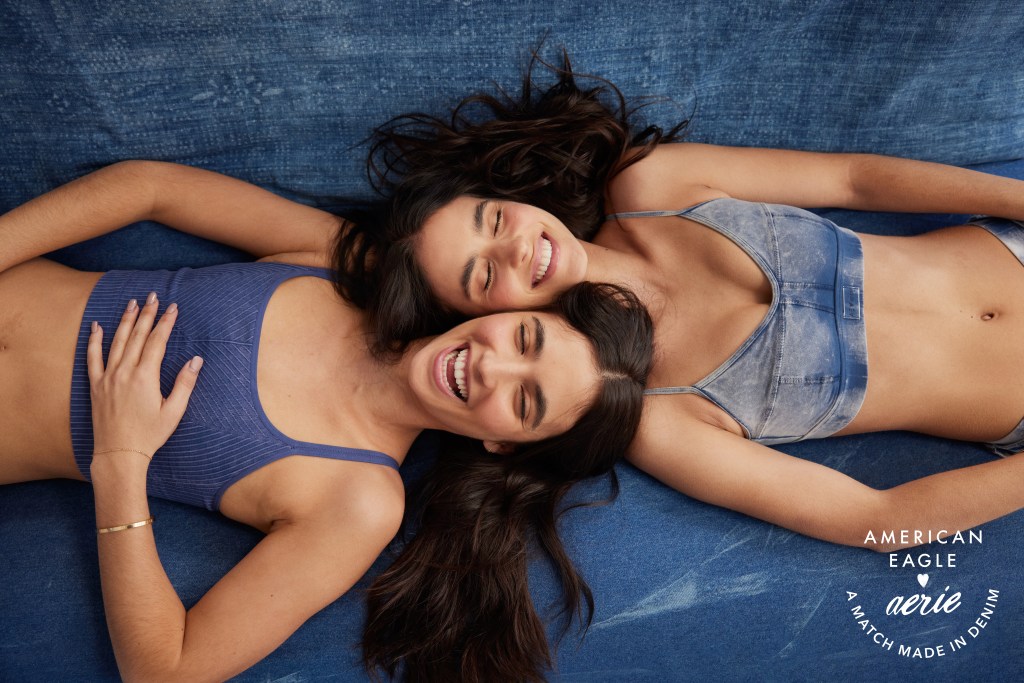
WWD: American Eagle and Aerie Marry Denim Look and Comfortable Fabrics With New Collection
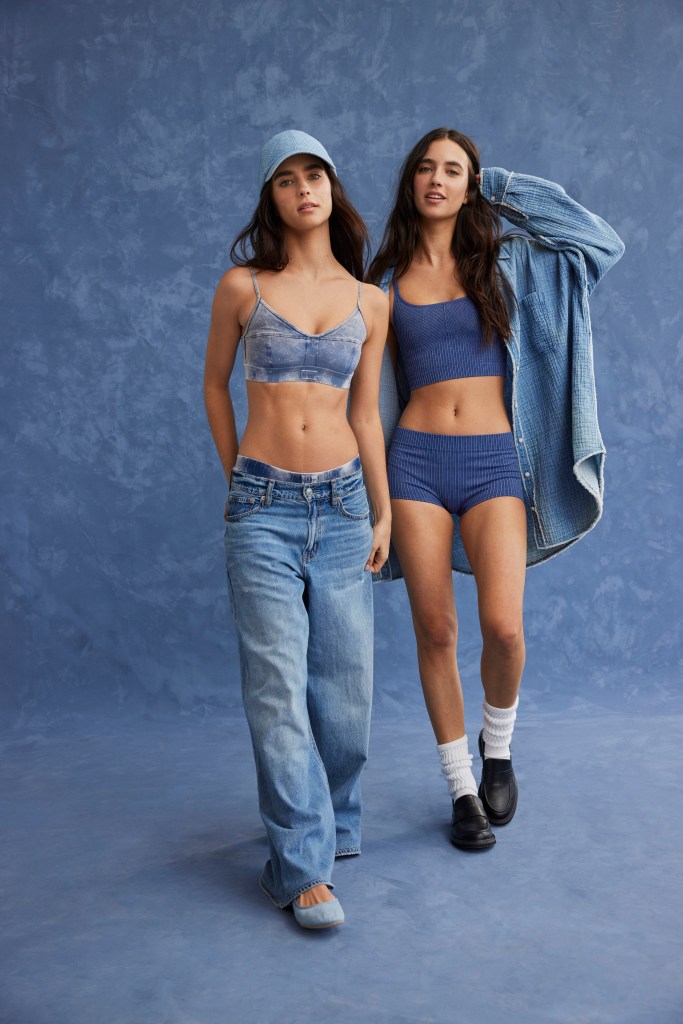
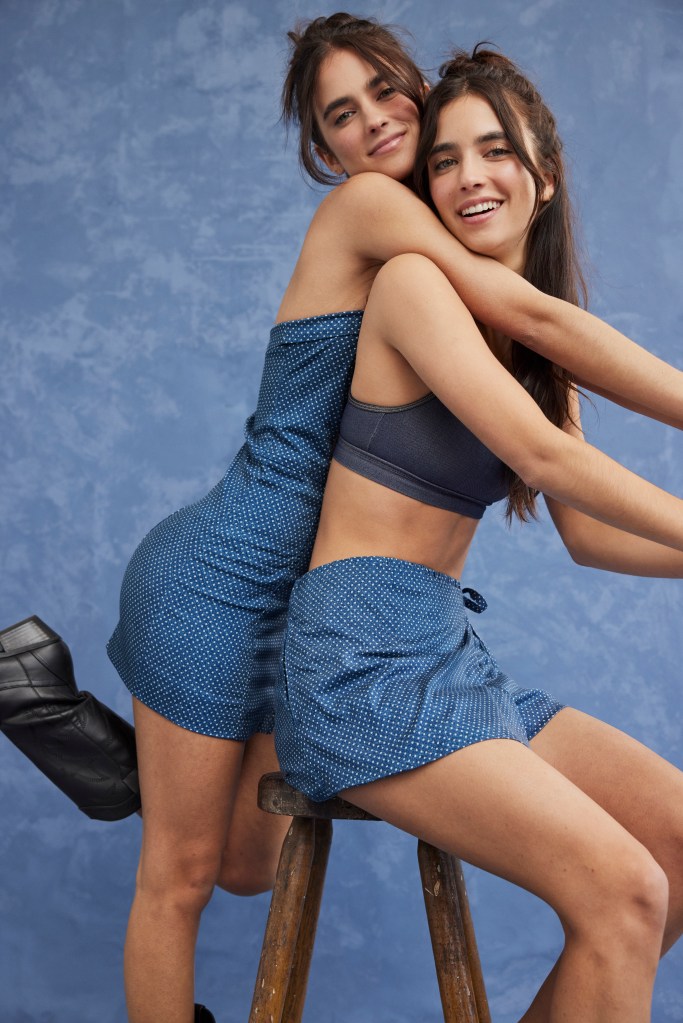
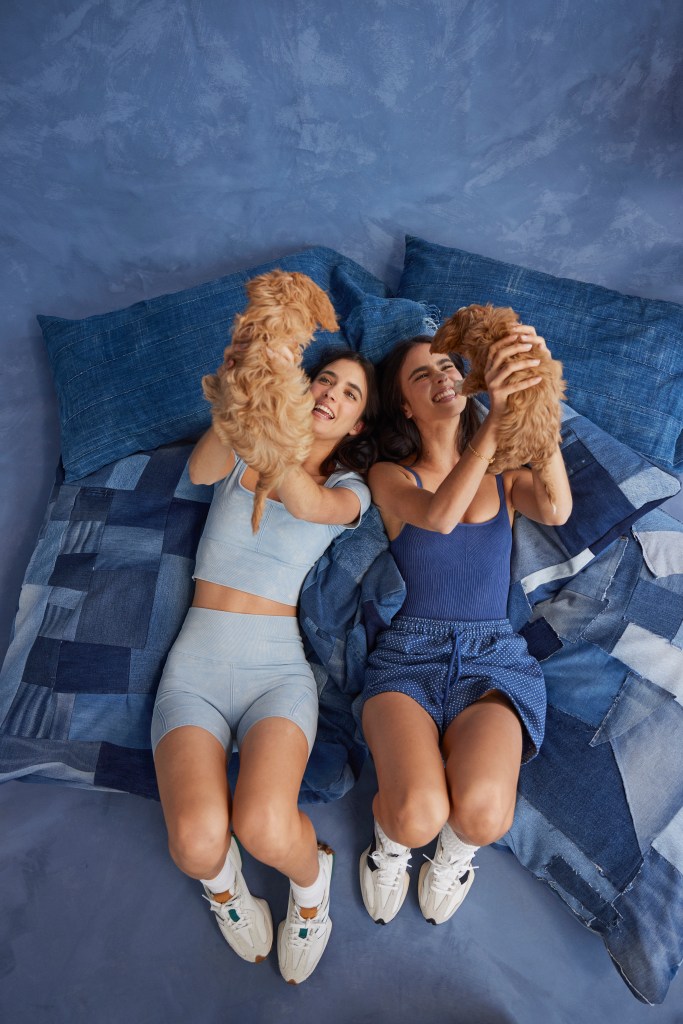
Using American Eagle’s denim, the collection features summer-focused styles ranging from denim shorts, dresses and fleece matching sets to leggings, sports bras, swim, intimates and accessories. There are a total of 34 items in the collection.
Both AE and Aerie transformed classic silhouettes from their main assortments, adding polka-dot and washed denim prints. Additional items include accessories such as a bucket hat, scrunchie and sarong, all made from the Aerie swim material.
The collection uses a new technology called Cool Transfer in order to transfer AE’s denim fabric onto non-denim fabrications. The technology was used across both brands’ denim and woven pieces, as well as Aerie’s seamless ribbed bralette, shortie and bodysuit that was given a special stone wash technique and Aerie’s cotton bralette and boybrief that were dyed to give the high-low effect of denim.
The collection retails from $30 to $150 and will be available starting Monday on AE.com and Aerie.com, as well as the Gateway in SoHo.
“The best collaborations start at home, and American Eagle and Aerie are certainly cut from the same cloth. A Match Made in Denim is a unique opportunity to highlight the power of two industry-leading brands and showcase some of our best categories,” Jen Foyle, president and executive creative director of American Eagle and Aerie, told WWD.
She said it was a great way to offer exciting products to their customers, especially with the collaboration coinciding with one of their biggest seasons, and during this year’s particularly strong jeans cycle.
American Eagle is the number-one jeans brand for 15- to 25-year-olds, the number-one jeans brand for women overall, and the number-two jeans destination across all demographics, said Foyle.
As for how the collaboration works, she said the bras, underwear and men’s underwear are made to be soft and have a lot of stretch. “Inspired by AE’s iconic jeans, the design team used the same fabric innovations for A Match Made in Denim that are used to make the Aerie and Offline products so buttery, comfortable and most loved,” she said.
“One of the technologies used to create the denim effect is really cool, literally,” she explained. “It’s called ‘cool transfer’ and takes the denim fabric characteristics, cast and fades and transfers them to your fabric of choice. We also used some interesting garment dyeing and washing techniques to give you the best of both worlds — a denim look and a very comfortable feel.”
One of the things she loves about the collaboration is that it challenges the teams to think differently across the entire AE and Aerie assortments, she said. “And you will start to see these new techniques pop up in our upcoming seasons,” she added.
Foyle noted that the idea originated from both their brand teams. She said there’s a lot of excitement happening with Aerie and American Eagle right now, and that this year marks the 10th anniversary of the #AerieREAL movement. American Eagle will also launch a new marketing platform on July 25. She said they are always looking at ways to innovate and maximize their brands. “Although we are focused on growing our individual AE and Aerie brands, something that has been a big unlock for AEO this year is the notion that we are better together,” said Foyle.
The label will say American Eagle [heart emoji] Aerie: A Match Made in Denim.
Asked if Aerie has ever had denim in its lineup, she said they have occasionally introduced a few denim-inspired pieces, like soft shorts and oversize button downs. “However, Aerie’s approach has always been focused on comfort. That’s why we are excited to lean into AE’s expertise in denim to create products rooted in the heritage of both brands.”
As for whether American Eagle has ever done intimates, Foyle said, “Our men’s underwear business is consistently a standout category. When it comes to women’s intimates, we lean into our experts at Aerie. A Match Made in Denim allowed us to bring together the best parts of both brands — with AE’s iconic denim adding a fun, fresh look to the fabric of some of our fan-favorite Aerie intimates.”
As reported, for the first quarter ended May 4, Aerie’s revenue of $373 million rose 4 percent, with comp sales up 6 percent. American Eagle’s revenue rose 8 percent to $725 million, with comp sales growing 7 percent.
In releasing AEO’s quarterly results, Foyle said, “There are two different stories here. We have been repositioning the brands, amplifying American Eagle as well as Aerie. Both brands exceeded expectations.” She also cited the “health” of the retailer’s customer file. “There’s been nice growth in new customers and in reengaging customers, particularly on the AE side,” she said.
Secondly, “It’s the magic of product. Women’s at AE in particular saw growth. Jeans are coming back, where we will definitely have nice tailwinds into the back half,” said Foyle.
AEO Building a Better World Volunteer of the Month: Lex, Manager – Digital Content Strategy
AEO associates share our commitment to doing better, being better and building a better world. We’re proud to spotlight our people who are making a real and lasting impact in their communities.
Meet Lex, Manager – Digital Content Strategy from our Digital Production & Content Operations team. A three-year volunteer with Big Brothers Big Sisters (BBBS) of Greater Pittsburgh, Lex looks forward to growing and learning with her Little every week.
Tell us about your volunteer service with BBBS!
Volunteering as a Big was a bit scary at first, but it ended up becoming the most important and fulfilling part of my Wednesdays. It’s not just one-sided growth either– I have found that I’ve tapped back into my innocence, fun, and learning styles through time with my Little.
Why is volunteering with BBBS important to you?
Volunteering has never felt like work to me– so when I learned what BBBS was doing for our community and the country, it was a no-brainer that I wanted to be involved in helping the world be a better place through the kids who are shaping it every day.
How many years have you been volunteering with BBBS and in your community?
I have been volunteering with BBBS for three years and have also done a bit of my own volunteering such as landscaping, aiding community youth organizations, donating and collecting goods, and advocacy.
How do you think that being an active participant in your community helps to Build a Better World?
It’s easy to sit back and hope that the world becomes better… but the day you decide to ensure it will become better because you refuse to allow it to maintain the status quo, is the day that everything will change, in yourself and in your community. Every single small effort is impactful, and when others see you doing good, they are more inclined to do the same.
What are some of the benefits and learnings you’ve gained from volunteering?
Volunteering provides perspective: it’s growth and determination wrapped in one because when you get out into the world and help humans, animals or the environment, you learn more about those spaces, which then gives you the confidence to share that knowledge with those around you. Inspire yourself and others with the power of volunteer work – giving your time and love without needing to be paid back will be the most rewarding experience for your soul.
Hazleton: Commemorating a Decade of Fulfillment & Distribution Excellence
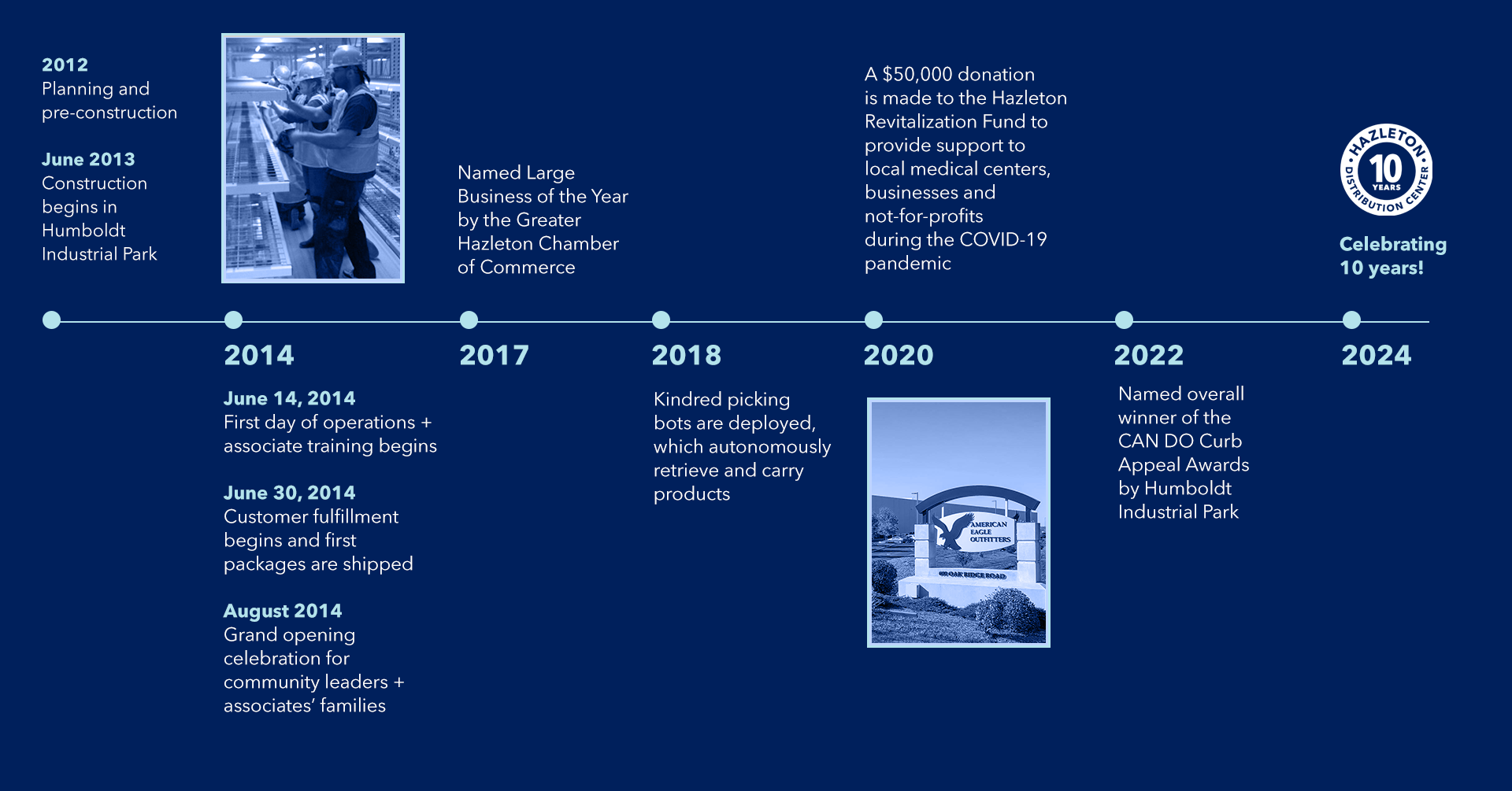
Years before omnichannel fulfillment became table stakes for retailers, AEO broke ground on a state-of-the-art, 1.6 million square foot distribution center (DC) in Western PA’s Luzerne County. Ten years later, the facility remains core to the success our business.
June marks the 10-year anniversary of our Hazleton DC– AEO’s first state-of-the-art omnichannel facility. With its proximity to key East Coast markets, robust labor pool and convenient access to major throughways, Hazle Township’s Humboldt Industrial Park proved to be the perfect location to enter into the omnichannel distribution space– at just the right time.
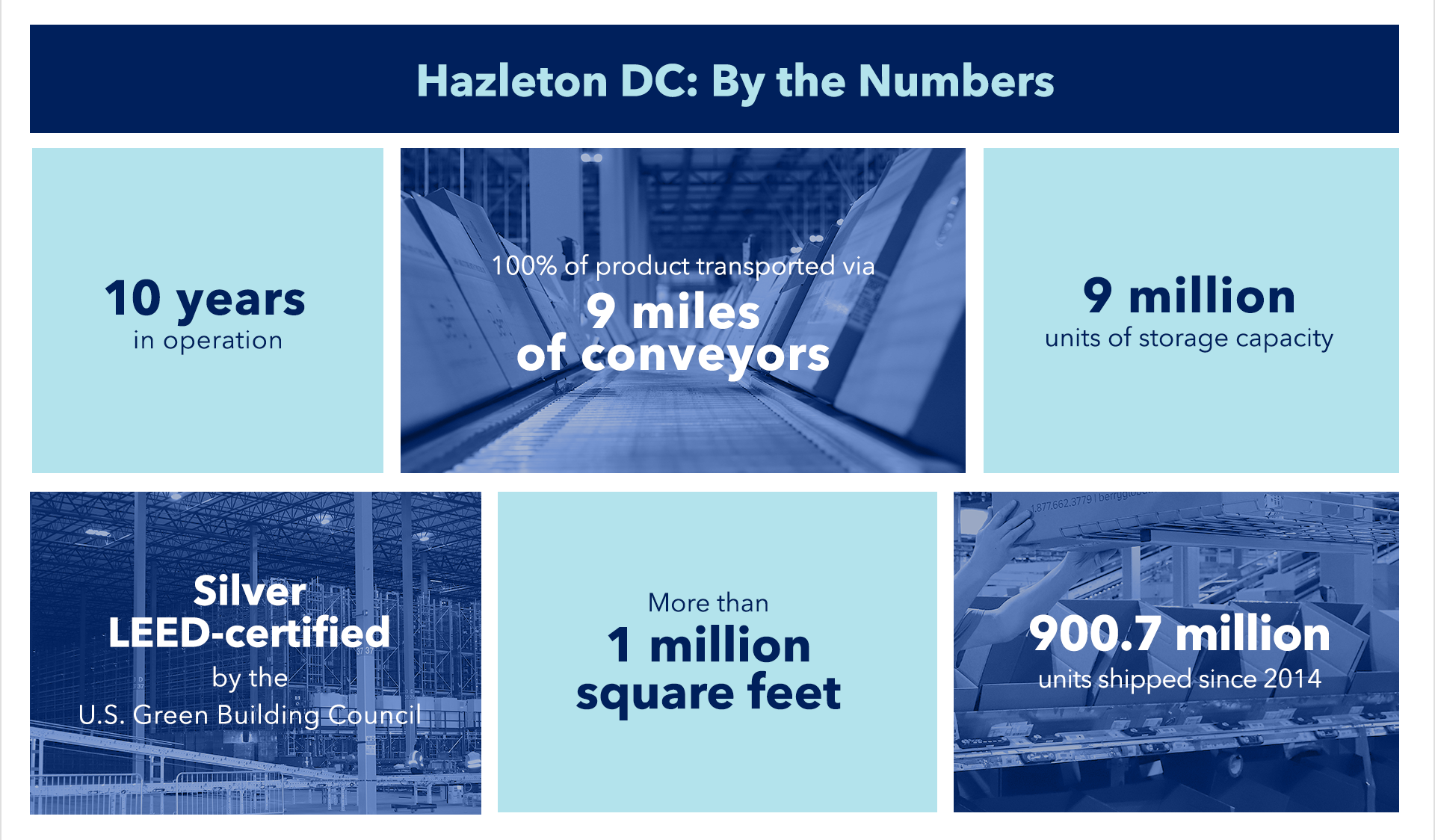
Designed with green best-practices and automation in mind, the LEED-certified building boasts more than one million square feet of floor space, 50 Solatubes to provide natural light, over 9 miles of conveyor and enough storage capacity to accommodate 450,000 cases of inventory (9+ million units!).
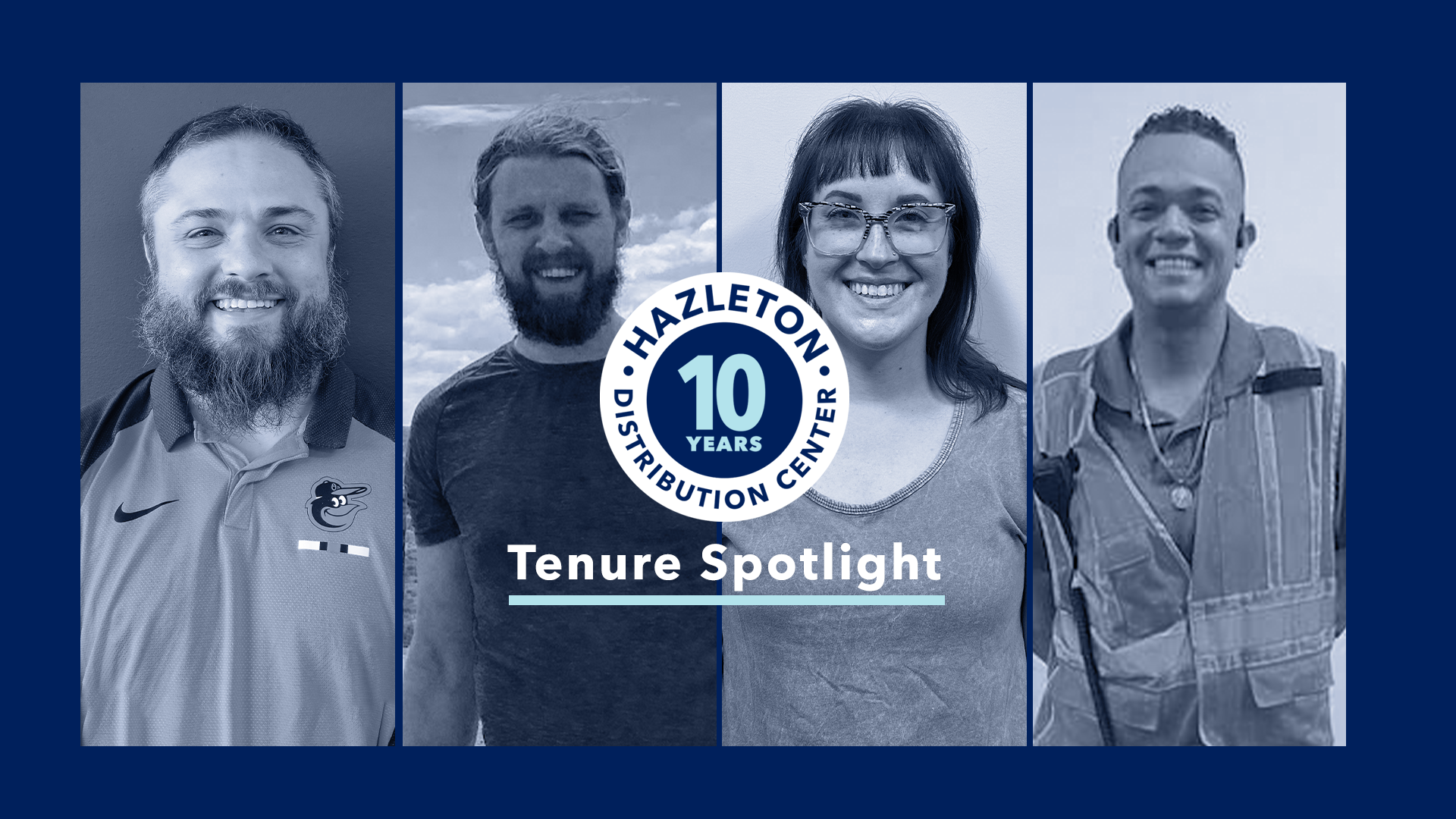
To celebrate this incredible milestone, we spoke to a few of the 30 associates who have been with Hazleton from the start. Hear what our associates and Supply Chain leaders had to say below!
From fulfilling AE.com orders, replenishing products across our store network and processing returns to volunteering countless hours with local non-profits, Hazleton associates do an amazing job serving our brands’ customers and their community. Congratulations on 10 years, Hazleton – we are grateful for everything you do to bring brand experiences to life and build a better world!
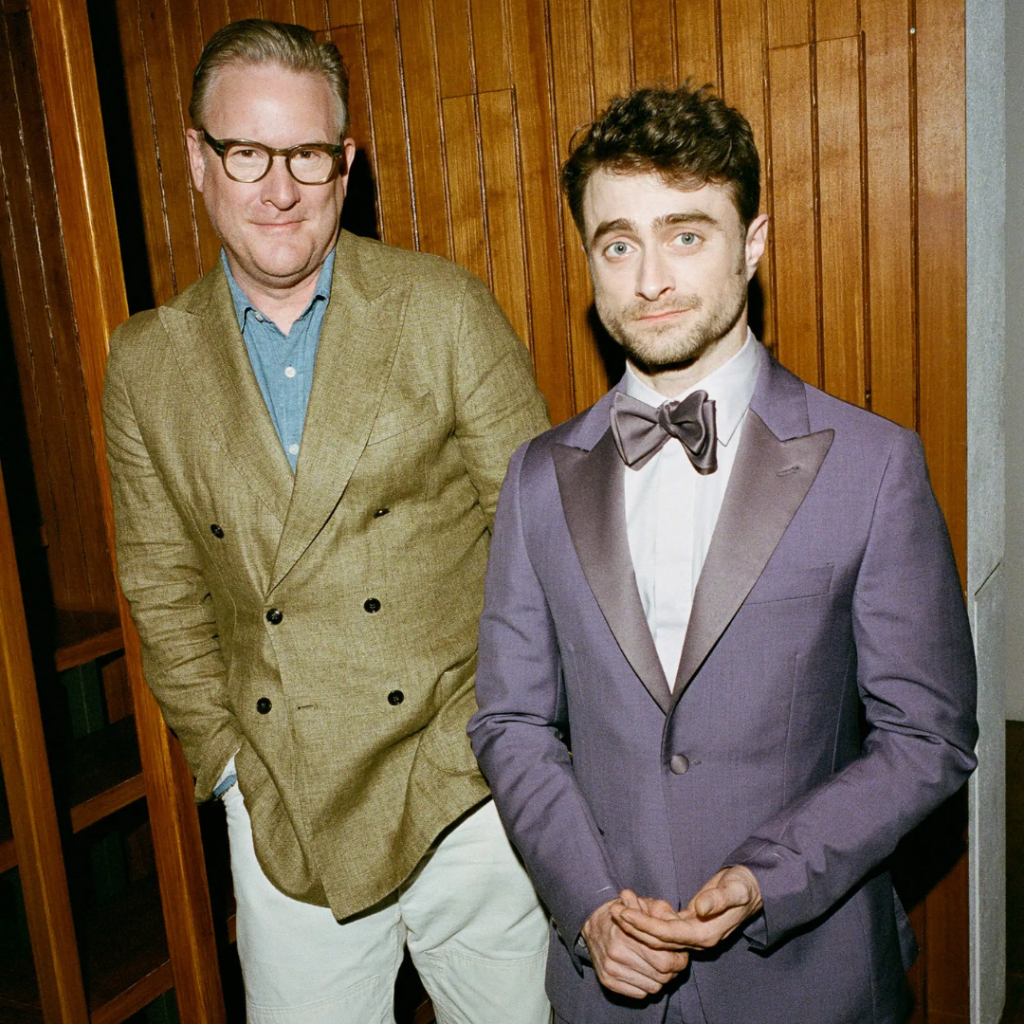
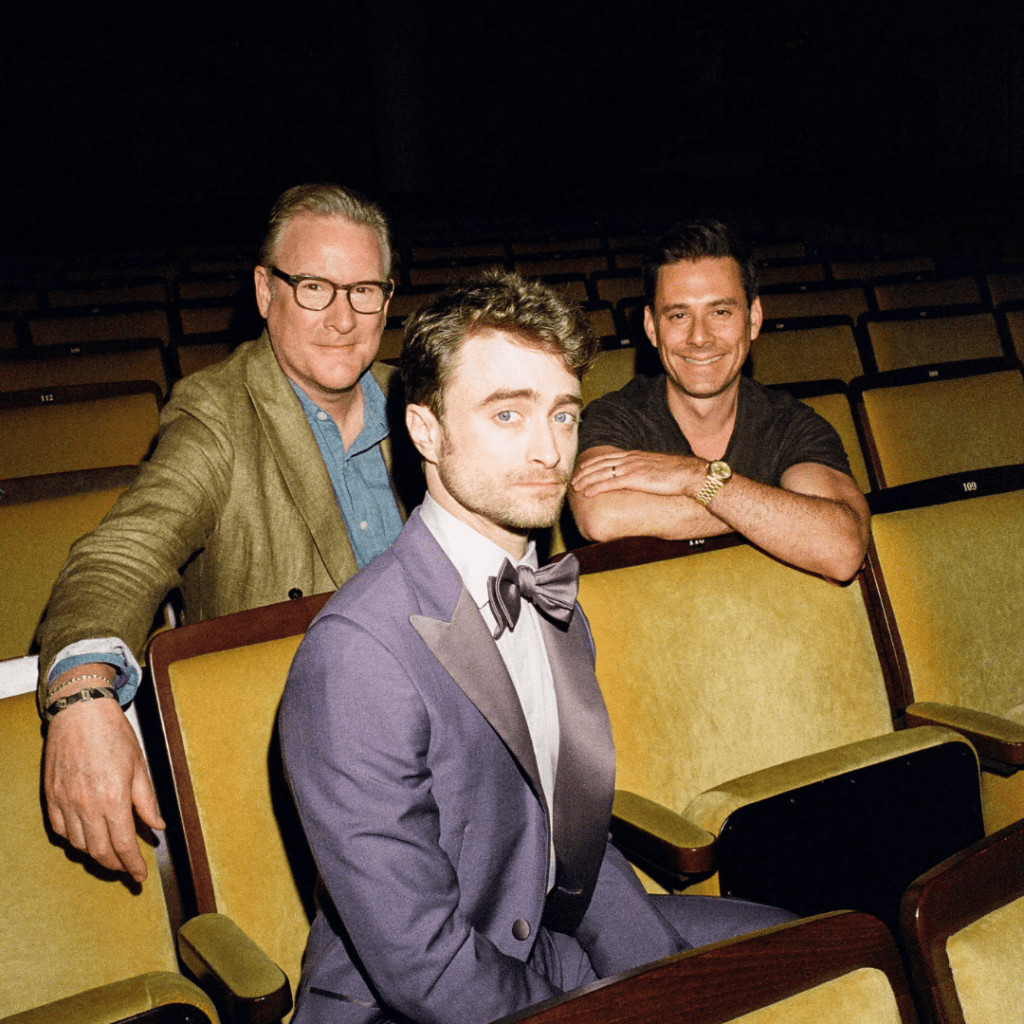
WWD: Daniel Radcliffe, a First-time Tony Nominee, Suits Up in Bespoke Look for the Awards Ceremony
Nominated for his role in the hit Broadway musical “Merrily We Roll Along,” the star will be wearing a suit designed by a favorite New York designer, Todd Snyder.
“Somebody might have briefed you on this,” begins Daniel Radcliffe. “I’m in many ways the worst person to talk about fashion.”
The actor is en route to the Hudson Theatre on Wednesday afternoon, shortly before the call time for that evening’s performance of “Merrily We Roll Along.” But before stepping into the first of his two costumes in the show, Radcliffe will first slip into the bespoke Todd Snyder suit that he’ll wear to this weekend’s 77th Tony Awards ceremony. The actor is nominated for best supporting actor, his first Tony nomination, for his role in the Stephen Sondheim musical revival.
“The way I am in my day-to-day life is very jeans and a T-shirt,” he says. “It’s more about not standing out — looking fine, but not doing anything that would draw the eye. On a night like the Tonys, it’s a nice night to not worry about that, and actually embrace dressing up and looking better than I normally do.”
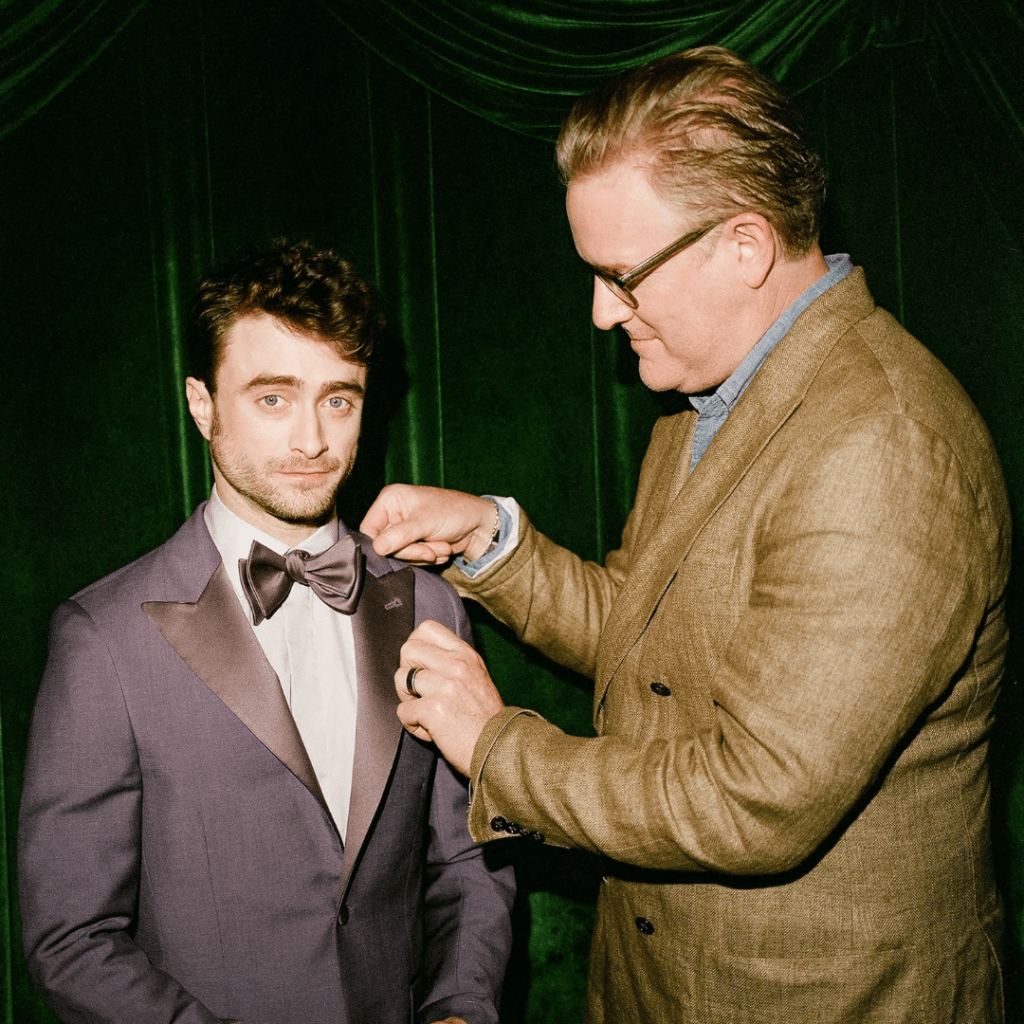
A tailor is waiting in Radcliffe’s theater dressing room to make final adjustments to the amethyst suit before its debut on the “Merrily” stage ahead of the Tonys.
“I feel really good in it,” says Radcliffe. “I’m always about trying to find things that are simple and well fitted and pretty straightforward, but with some sort of expression of personality.”
Radcliffe, who’s been firmly rooted in the public eye since he was a kid thanks to the iconic “Harry Potter” franchise, has had a trusted partner in helping him define his style for pivotal career moments: longtime stylist Sam Spector. “If you look at some of the pictures of me from when I was a teenager, you will see that I needed somebody to style me,” says Radcliffe. The pair have been working together for around 13 years, starting when Radcliffe was moving on from the final “Harry Potter” films into the next stage of his career. Like many distant memories, the exact details have been compressed with the passing of time and prone to different storytelling — but the emotional recollection of those early days is consistent.
“We immediately got on,” says Radcliffe. “I’ve always been about, I don’t really wanna work with or spend time with people where I don’t enjoy their company. So that was the first thing about Sam.” Working together, the pair have honed his sense of personal style throughout the years. “Which I would find very hard to define for you, but Sam definitely knows what it is.”
“His style is very classic menswear,” says Spector. “With this look we went a little more colorful than we normally do. The show’s all about friends, and we wanted it to keep it light. And summer in New York is the perfect time to do color. Also, with menswear right now, everyone’s taking risks. And so I wanted to push the boundaries and do something that was a little more eclectic, but still classic.”
Spector (who’s currently styling Alan Cumming in theatrical regalia for the third season of murder-mystery reality series “The Traitors”) began working with Radcliffe on the final two “Harry Potter” films, followed shortly by his first film post-franchise, “The Woman in Black.”
“We did a full worldwide press tour together and traveled with him, and we went everywhere,” says Spector, who was joined by Radcliffe’s longtime groomer, Tanya Pacht. “It was his first movie outside of ‘Harry Potter,’ and we really wanted it to work out right,” he adds. “It’s been amazing to see him grow up. He was a baby, and I was starting my career, so we both sort of developed together. It’s really cool to see his career and what amazing choices he’s made with coming out of that franchise.”
Spector, like much of Radcliffe’s team, has been along for the journey. At the theater, everyone in the vicinity seems to have known Radcliffe for at least a decade (his publicist and styling team), are nearing that milestone (his personal security), or — in the case of his show castmates — will land there soon enough. And although the actor was meeting Snyder in person for the first time at the theater, Radcliffe has been a longtime fan of his clothing. So when it came time to sort out an outfit to wear to the Tony Awards for Radcliffe’s first nomination, Spector naturally turned the spotlight onto Snyder.
“He’s a New York based designer, and the Tonys is a real New York moment,” says Radcliffe. “Sam suggested him for this, and I was obviously very excited to have that happen.”
Unsurprisingly, the feeling was mutual. “I jumped at the chance,” says Snyder, backstage at the theater shortly before hopping on a plane that evening to head to Italy to debut his new collection for Woolrich Black Label. “I moved here [New York] 30 years ago, and used to live in Hell’s Kitchen. The thing about Broadway is, these things come and go so fast,” he says. “You see these flashes of brilliance, and it’s magical. And so for me, just to be a part of it, it’s like — oh, my god, are you kidding?”
The designer began working on the suit in early May, a completely bespoke design down to the style of the silk satin lapel, color, and accompanying bowtie. The suit is a British mohair blend, and manufactured in upstate New York at Rochester Tailored Clothing (formerly Hickey Freeman), who make all of Snyder’s made-to-measure designs. “I wanted to make sure it complimented him and his personal style,” adds Snyder. “He’s always had a very great, classic sartorial style, but done with just a little bit of a twist.”
Radcliffe is a couple of performances away from Sunday’s Tony Awards ceremony, where the show is a frontrunner for many of its seven nominations, which include best revival of a musical.
“It’s incredibly exciting. It’s a weird, hard-to-define feeling of stress, because we’re still going out and doing the show every night,” says Radcliffe of the days leading up to the ceremony. “That’s our main job, and hopefully people are enjoying it as much as they have been for the whole run.”
Radcliffe and his costars — Jonathan Groff and Lindsay Mendez, both nominated — have been with the production since its New York Theater Workshop run in 2022, which was followed by its Broadway transfer last fall. The show, which infamously closed shortly after its first Broadway staging in 1981, is consistently sold out. “A lot of people talk about the show as being about the sort of battle between art and commerce and selling out and not selling out,” says Radcliffe, who saw the West End staging of their current production in 2013. “Maria, our director, really cut to the heart of the show and it being about three people trying to stay friends across the course of 20 years and how hard that is.”
The show’s initial limited run was extended twice, and the final performance is slated for July 7. This time, the show will be closing on a high note.
“It feels like a really dreamy ending to what has already been a kind of incredible working experience,” says Radcliffe of the show’s celebratory conclusion. “I will say that if you come and see us in the last week, we might just be crying the whole time.”
While the closure will be an emotional moment, there are upsides. “First of all, I’m very excited to take a break and be a dad and do that for a bit,” says Radcliffe, who became a father last year. “The [Broadway] schedule is great in some ways because you get a lot of time off during the day, so you get to spend that time with your family,” he adds. “I go away for a two-show day and I feel like I come back to an entirely different human now because he’s growing up at a very, very quick rate. So I’m looking forward to just hanging out with him for a bit.”
But until then, you can find Radcliffe where he has been for the last 10 months: onstage.
“This is a job that goes beyond being a great job,” says Radcliffe, whose friendship with his costars has been well-documented; last month, he and Groff were part of Mendez’s wedding ceremony. “I’ve made friends here that I think are going to affect the rest of my life, and I’m going to know forever. And that’s a really special thing,” he adds. “So to be able to go through all of this awards time craziness with Jonathan and Lindsay is really special. And then whatever happens on Sunday, we’re gonna enjoy the hell out of the last three weeks of the show, because we are very, very nearly done.”
Michelle Tarry, Vice President – Corporate Responsibility Elected to International Accord Steering Committee
Michelle Tarry, Vice President – Corporate Responsibility has been elected to the Steering Committee of the International Accord, which works with brands, factories, and workers to create a safer textile and garment industry.
Michelle has been actively involved with the Accord since its establishment in 2013 and was instrumental in AEO’s participation as a founding signatory of the Bangladesh Accord on Fire and Building Safety. The unprecedented independent, legally binding agreement was created to advance workplace safety and build a safer and healthier ready-made garment industry. AEO subsequently signed the 2021 International Accord for Health and Safety in the Textile and Garment Industry to continue this vital work. In 2022, AEO also became a signatory to the Pakistan Accord and supports expanding to suppliers in that country.
“Michelle Tarry’s appointment to the Steering Committee of the International Accord demonstrates her leadership and AEO’s commitment to accountability and transparency as we work to promote health and safety across the garment and textile industry,” said Sarah Clarke, Chief Supply Chain Officer. “The trusted relationships we build within the company’s network of suppliers and our active participation with partner organizations is vital to upholding and advancing responsible sourcing practices.”
For more than a decade, Michelle has led AEO’s sustainability and responsible sourcing efforts. She and her team oversee the relationships with AEO’s factory partners, ensuring they meet all requirements for working standards and safety, while moving practices forward to promote women’s equity and give workers a voice.
AEO is dedicated to the highest level of social responsibility and believes in providing ethical, safe and fair working conditions across our supply chain network. We are grateful for Michelle’s expertise and leadership, which has positively impacted the people and communities where AEO’s products are sourced and made.
Learn more about AEO’s commitment to Planet, People and Practices here.
Denim brands and retailers are getting into the spirit of Pride Month. Here’s a look at how some brands are focusing on gender fluid designs and coordinates with year-round appeal, and how others are tapping into their archives for inspiration.
American Eagle is looking to empower customers with its new 60-piece collection.
Created to foster a sense of “authenticity and empowerment,” the teen specialty retailer’s Pride Month collection features an array of tops with phrases like “proud,” “queer” and “radiant love” and rainbow striped coordinates. Items like denim jackets and skirts feature a doodle-inspired Pride print.
“AE’s Pride collection is a celebration of self-expression and thoughtfully designed to uplift the LGBTQIA+ community,” Jennifer Foyle, president and executive creative director at American Eagle and Aerie, told Rivet. “Our goal is to…provide everyone with an opportunity to be themselves, feel proud in one’s skin and embrace their true colors. With mission-driven tees showcasing messages of love and positivity at the forefront of the collection, everyone is invited, whether you are a member, an ally or a supporter, to be a part of the community.”
In addition to the collection, American Eagle and Aerie, American Eagle’s intimate, activewear and swimwear brand, donated $100,000 to It Gets Better, a nonprofit LGBTQIA+ organization.
The collection retails for $6.95-$89.95 and is available now on American Eagle’s website and in select retail locations.
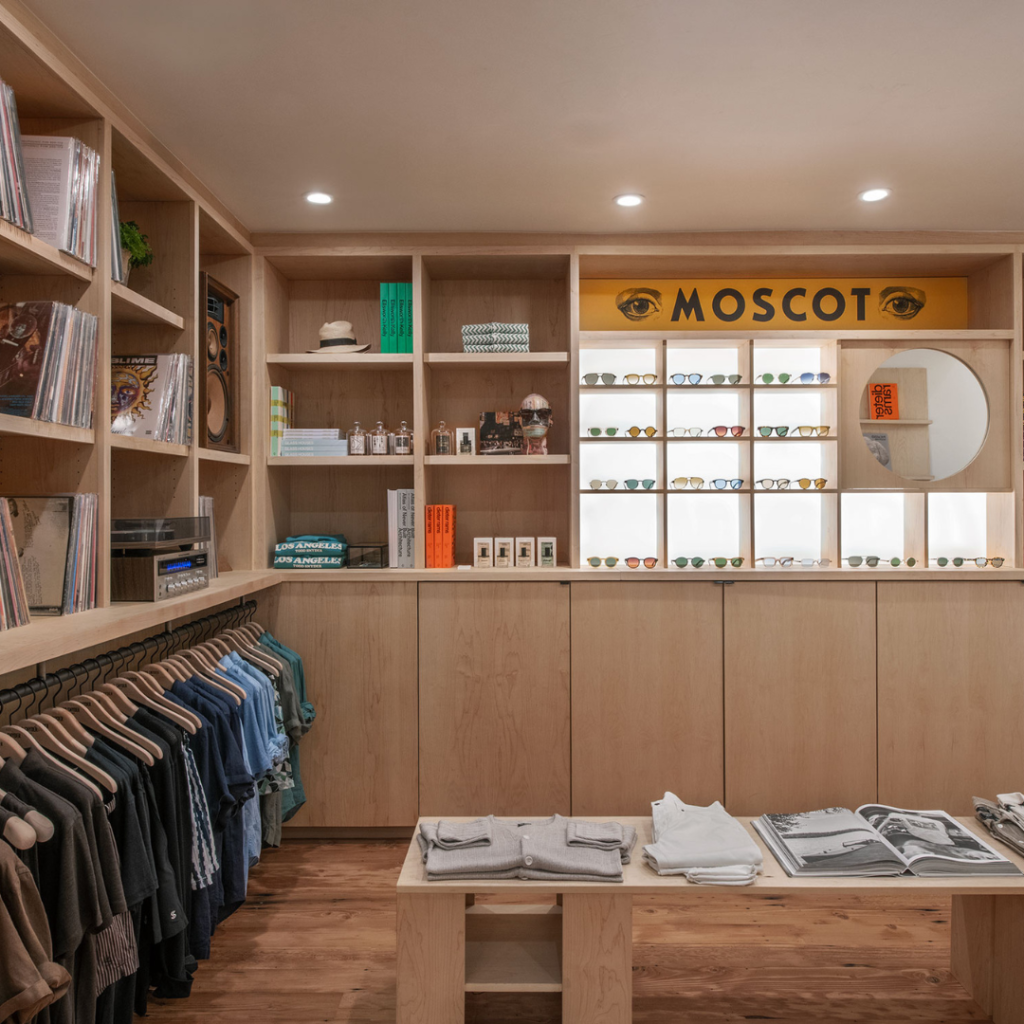
The store offers personalized shopping services as well as a vinyl record shop by Mr. Goodboy Record Carts and Light in the Attic Records.
Todd Snyder expanded his reach on the West Coast with the opening of a store in Venice, Calif., just in time for Memorial Day weekend.
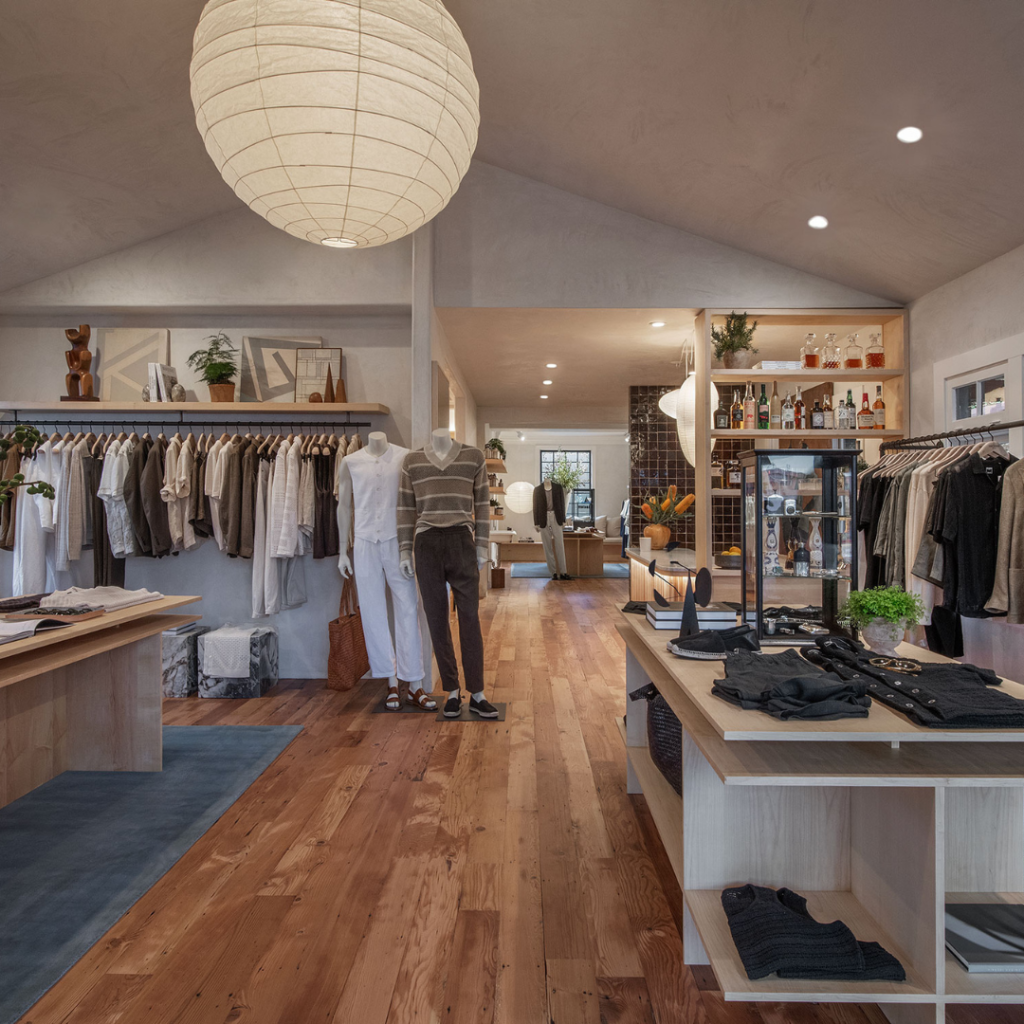
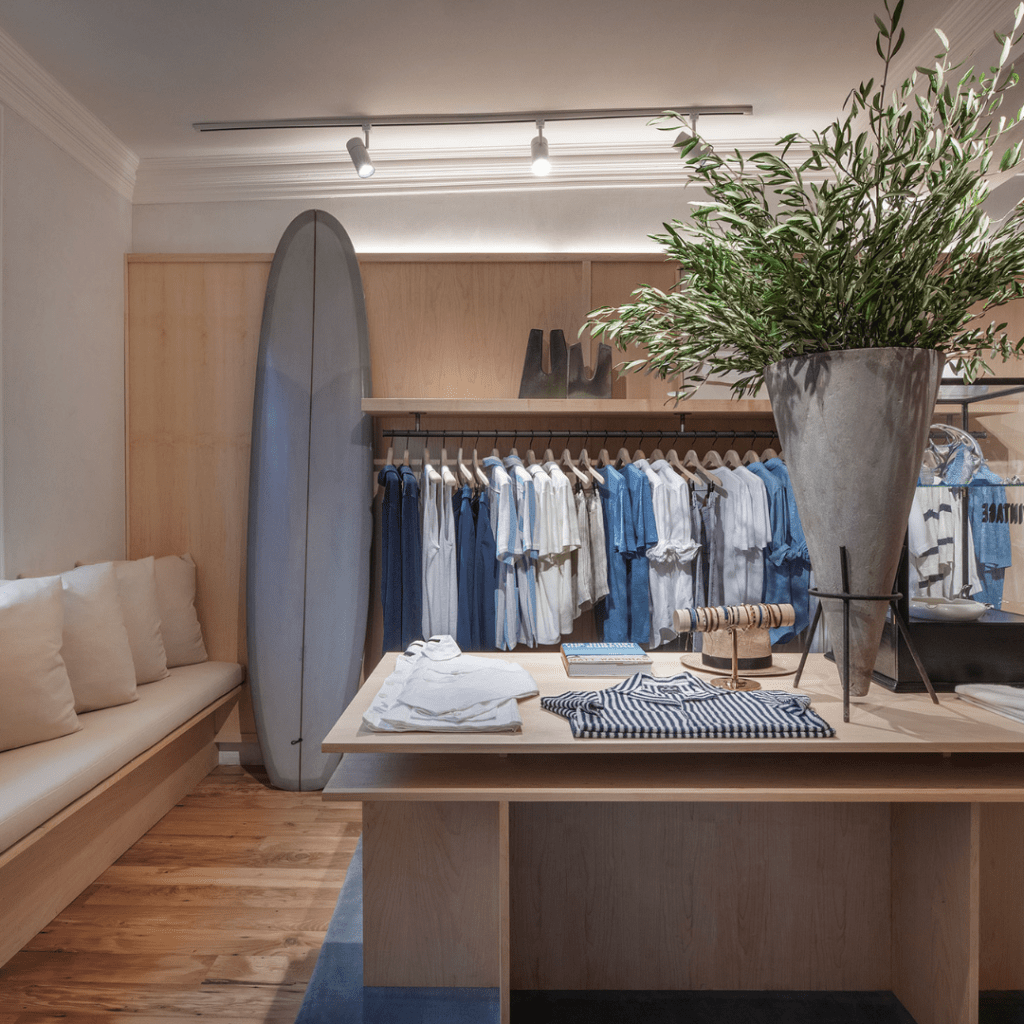
The New York-based designer opened a 1,700-square-foot store at 1337 Abbot Kinney Boulevard on May 24 in a converted Craftsman bungalow. The store is painted in the brand’s “Snyder olive” color, accented by dark walnut trims and Craftsman doors. The interior sports an airy, open layout with an earth tone palette intended to evoke the natural landscape of the California coastline. The store features Tambor wood and natural unfinished modular fixtures and paneling, Roman clay wash plastered walls, brass and Carrara marble details and custom tile work by Clay.
Snyder partnered with London-based interior designer Rose Uniacke on custom upholstery and curtains throughout the space.
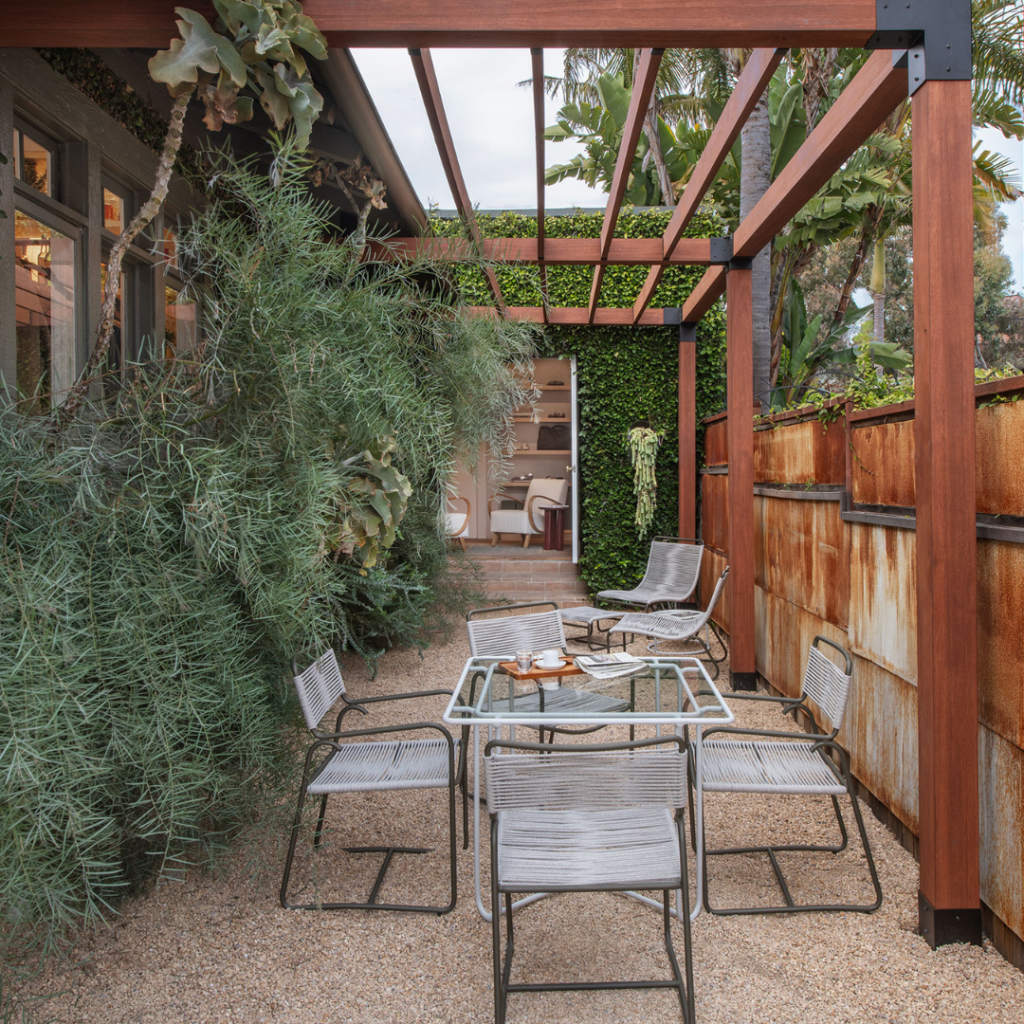
The store offers personalized shopping services as well as a vinyl record shop by Mr. Goodboy Record Carts and Light in the Attic Records. There is also an outdoor area furnished in partnership with Walter Lam by Brown Jordan Furniture where customers can enjoy an espresso while shopping.
This marks Snyder’s third store in California, following The Grove in Los Angeles and San Francisco’s Hayes Valley. Next up is the Marin Country Mart in Larkspur, Calif., at the end of June. All told, Snyder operates 16 stores around the U.S.
Snyder founded his eponymous brand in 2011 after stints at Polo Ralph Lauren, Old Navy and J.Crew and has built a $100 million business with his distinct take on modern American menswear.